
Pet Insurance for Low Income Families: Affordable Pet Care Options in the U.S. (2026 Guide)
Veterinary costs keep rising in 2026. Even routine checkups or emergencies can strain fixed-income households. Pet Insurance for Low Income Families helps protect pets’ health without breaking the budget.
Combined with a Pet welfare program, families can access support for pet food, spay/neuter surgery, vaccination, and emergency care—making insurance more effective. This layered support is exactly why serious pet owners are searching for Pet Insurance for Low Income Families.
Understanding Pet Insurance for Low Income Families in 2026
At its core, Pet Insurance for Low Income Families is designed to reduce financial risk, not eliminate responsibility. These plans typically focus on:
- Accidents and emergency care
- Chronic illness management (arthritis, diabetes, kidney disease)
- Predictable monthly costs instead of surprise bills
Advantages of Pet welfare programs
A strong Pet welfare program complements insurance by providing additional support:
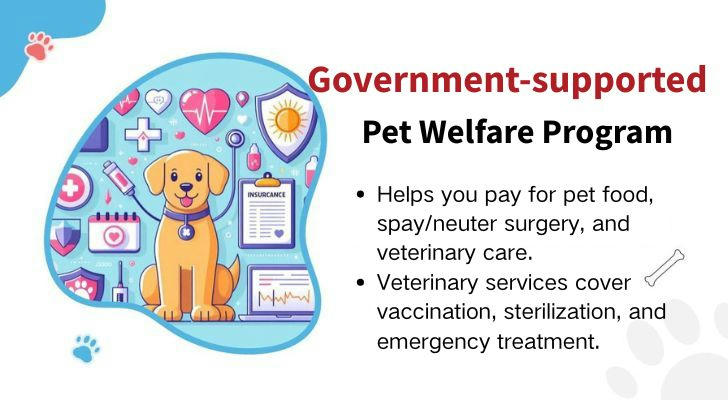
- Helps you pay for pet food, spay/neuter surgery, and veterinary care
- Veterinary services cover vaccination, sterilization, and emergency treatment
- Reduces overall out-of-pocket expenses and makes insurance coverage more effective
This layered approach is exactly why Pet Insurance for Low Income Families continues to attract high-value searches from serious pet owners.
Who Benefits Most From Pet Insurance for Low Income Families
This category isn’t limited to one type of household. It commonly supports:
- Seniors living on fixed retirement income
- Families managing rising living expenses
- Individuals supporting pets with chronic medical needs
- Multi-pet households needing cost control
For these groups, Pet Insurance for Low Income Families isn’t about luxury coverage—it’s about keeping pets healthy while maintaining financial balance.
Key Support Channels Behind Pet Insurance for Low Income Families
🛡️ Government & Community Support
Many states and municipalities partner with veterinarians and animal welfare groups to offer Pet welfare program assistance, such as subsidized vaccines, spay/neuter surgeries, and emergency support. These programs help lower the overall cost of pet ownership and pair well with insurance coverage.
🤝 Non-Profit Organizations
Non-profits often assist low-income households by providing grants, temporary aid, or eligibility guidance. While not insurance, these organizations strengthen the overall safety net behind Pet Insurance for Low Income Families.
🐾 Insurance Providers Offering Affordable Plans
Several insurers now design plans specifically for cost-conscious households. These plans focus on essential coverage, flexible deductibles, and simplified claims—key factors for anyone searching for Pet Insurance for Low Income Families.
Recommended Insurance Options for Cost-Sensitive Households (2026 Overview)
| Provider | Plan Type | Typical Monthly Range | Key Strength |
|---|---|---|---|
| Pet Best | Accident + Illness | $25–40 | No upper age limit for pets |
| ASPCA | Health Coverage | $30–50 | Chronic & hereditary conditions |
| Lemonade | Accident-Focused | $18–32 | Budget-friendly, digital claims |
| Embrace | Flexible Plans | $20–35 | Adjustable reimbursement |
| Prudent Pet | Essential Care | $25–42 | Straightforward coverage |
The strongest Pet Insurance for Low Income Families choice balances affordability, chronic care coverage, and claim simplicity—especially when combined with a Pet welfare program.
How Coverage Needs Change Over Time
Different households benefit from different coverage levels:
- Younger adults (18–39): Lower-cost accident plans to manage unexpected bills
- Mid-age families (40–64): Broader coverage with multi-pet options
- Seniors (65+): Stable plans paired with Pet welfare program support for chronic care
Understanding these stages helps narrow down the most practical Pet Insurance for Low Income Families option.
General Application Flow for Pet Insurance for Low Income Families
While details vary, most households follow a similar process:
- Compare insurance plans designed for budget-sensitive households
- Review eligibility for any available Pet welfare program assistance
- Choose coverage level and deductible based on monthly affordability
- Submit online application and pet medical history
- Confirm reimbursement process and waiting periods
This article describes a general procedure; the specific procedure may vary depending on the actual situation.
Final Thoughts on Pet Insurance for Low Income Families
Rising veterinary costs make planning essential. The smartest approach combines insurance with available Pet welfare program resources, creating predictable expenses and protecting both pets and household finances. For those researching Pet Insurance for Low Income Families, the real advantage comes from acting early—before an emergency forces rushed decisions.
And that’s the critical detail most people only realize after they start comparing Pet Insurance for Low Income Families options.
FAQ: Common Questions About Pet Insurance for Low Income Families
Q1: Advantages of government-aided and affordable pet insurance schemes for seniors and low-income families in 2026?
A: These schemes lower financial risk, provide predictable monthly costs, and work alongside Pet welfare program assistance covering pet food, spay/neuter surgery, vaccination, and emergency treatment.
Q2: Does Pet Insurance for Low Income Families cover chronic conditions?
A: Many plans offer chronic condition coverage, especially when selected with appropriate deductibles and reimbursement levels.
Q3: Can a Pet welfare program replace insurance entirely?
A: Welfare programs help reduce costs but usually don’t replace insurance. Combining both offers the most reliable protection for low-income households.