
From Home Health Aide (HHA) to Registered Nurse (RN): Your Practical Guide to Career Advancement
Home Health Aides (HHAs) play a critical role in patient care, helping individuals with daily activities and basic health support. Many HHAs are eager to elevate their careers, and transitioning from an HHA to a Registered Nurse (RN) is a highly rewarding, yet achievable, goal.
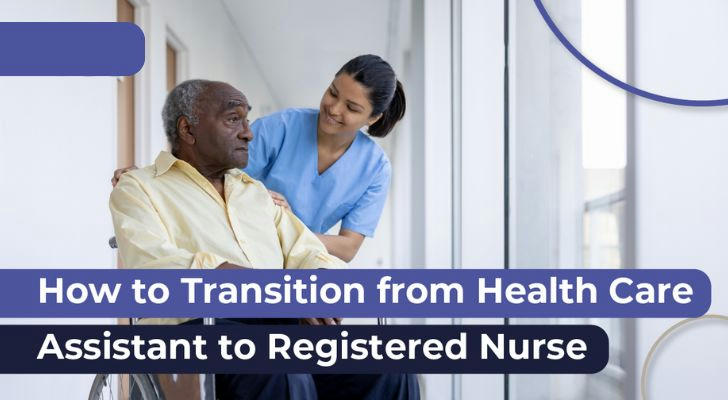
💡 Your HHA Experience is a Priceless Asset
🚀 Exploring Professional Advancement Pathways
As an HHA, the basic care you provide in patients' homes gives you invaluable, firsthand experience. The compassion, patience, and direct patient interaction skills you gain are an irreplaceable foundation for your future RN role. You are already on the frontline of the healthcare industry.
To achieve professional growth in the healthcare sector, further education and certifications are essential. For HHAs, the path to becoming an RN is structured and progressive.
Step 1: Building a Solid Foundation (CNA)
- Many HHAs first pursue Certified Nursing Assistant (CNA) certification to systematically build foundational nursing knowledge and skills. This prepares you well for advanced study.
Step 2: Transitioning to Licensed Practical Nurse (LPN)
- Becoming a Licensed Practical Nurse (LPN) (or Licensed Vocational Nurse/LVN) is a common next step. LPN programs typically take about 1 year to complete, allowing you to perform more advanced clinical tasks and take on greater responsibility. This is a fast way to boost your salary and skill set while working.
Step 3: Advancing to Registered Nurse (RN)
- Associate Degree in Nursing (ADN): Earning an Associate Degree in Nursing (ADN) is a critical step toward RN licensure. This program usually takes 2 to 3 years, providing comprehensive training that prepares you for the NCLEX-RN exam, the mandatory licensing exam for RNs.
- Bachelor of Science in Nursing (BSN): The Bachelor of Science in Nursing (BSN) offers deeper education and broader career opportunities. While a BSN typically takes four years, many institutions offer Accelerated Programs or Bridge Programs (like LPN-to-RN or ADN-to-BSN) that grant credit for your previous healthcare experience, significantly shortening your time to graduation.
📝 Preparing for the NCLEX-RN Exam
Passing the NCLEX-RN exam is mandatory to become a Registered Nurse. It rigorously tests whether a candidate possesses the necessary knowledge and skills for safe and effective nursing practice. Thorough preparation is the key to success.
🌟 Embracing the RN Role and Rewards
The responsibilities of a Registered Nurse are diverse, including providing direct patient care, educating patients and families, and collaborating closely with healthcare teams. While the transition from HHA to RN is demanding, the resulting professional rewards and sense of accomplishment are immense.
🎯 HHA-to-RN Q&A: Addressing Your Real-World Concerns
Here are practical answers to the most common barriers and questions faced by HHAs pursuing their RN license:
Q: I’m an HHA with limited academic background. Can I jump straight into an RN program?
A: While possible, we generally recommend a phased approach. Direct entry into ADN or BSN programs often requires strong grades in prerequisites (like Anatomy and Biology). The most stable path to success is often completing your LPN first, and then enrolling in an LPN-to-RN Bridge Program that leverages your clinical experience to shorten the RN timeline.
Q: I work full-time. How can I possibly balance school, work, and family life?
A: This is the biggest challenge for working professionals. Many nursing schools now offer flexible learning solutions designed specifically for you:
- Evening and Weekend Classes: Allows you to complete your coursework outside of typical working hours.
- Online/Hybrid Formats: Much of the theoretical content can be completed online, saving on commuting time.
- Credit for Experience: Your HHA/LPN experience and certifications may qualify for advanced standing or transfer credits, reducing your total required time in school.
Q: How much more money will I make as an RN? Is the education investment worth it?
A: The investment is absolutely worthwhile. According to the Bureau of Labor Statistics (BLS), the average annual salary for an RN is significantly higher than that of an HHA. RNs have vast growth potential, better job security, and benefits. The substantial salary increase and opportunity for specialization (e.g., ICU, Emergency, or specialties) provide an exceptionally high return on your educational investment.
Q: I'm not a native English speaker. How difficult are the nursing courses?
A: Nursing courses require mastering specific medical terminology and professional knowledge. However, the focus on practical application and clinical skills is equally critical. Many schools offer academic and language support. Remember, the RN role relies heavily on your critical thinking and practical competence, which are just as vital as language fluency.
🚀 Take the Next Step in Your Nursing Career
Are you ready to make the advancement from HHA to RN? Start exploring the ADN or BSN programs that fit your background and busy schedule today!