
2026 Senior Alert: How to Unlock State-Aided Pet Insurance for Fixed Incomes
Veterinary costs in 2026 have reached an all-time high, making it harder for seniors and low-income families to provide essential care for their beloved companions. However, a major shift in Pet Insurance for Senior Citizens now allows eligible households to access a “dual-benefit” model.
This approach bridges private insurance coverage with local Pet welfare program grants, potentially covering up to 90% of emergency veterinary expenses.
If you are a senior living on a fixed retirement income, or a household managing rising costs, there is now a clearer path to protecting your pet’s health without sacrificing daily necessities. New Pet Insurance for Senior Citizens initiatives increasingly prioritize applicants who require chronic condition management, such as arthritis or kidney disease.
But here’s the key detail many overlook: eligibility for high-reimbursement vouchers is often verified by zip code and household income level.
Why 2026 Is a Turning Point for Pet Insurance for Senior Citizens
Modern Pet Insurance for Senior Citizens has shifted from being a luxury to becoming a practical financial safeguard. As demand grows, providers like ASPCA, Pets Best, and Lemonade now offer essential-care tiers designed for cost-sensitive households.
Accident-Only vs. Comprehensive Coverage
For seniors managing a tight budget, accident-only plans starting around $18–$25 per month can prevent unexpected bills from emergency surgeries.
Chronic Care Support
In 2026, many leading policies now include coverage for hereditary and long-term conditions—benefits that were previously unavailable for older pets.
The Role of a Pet Welfare Program in a Smart Coverage Strategy
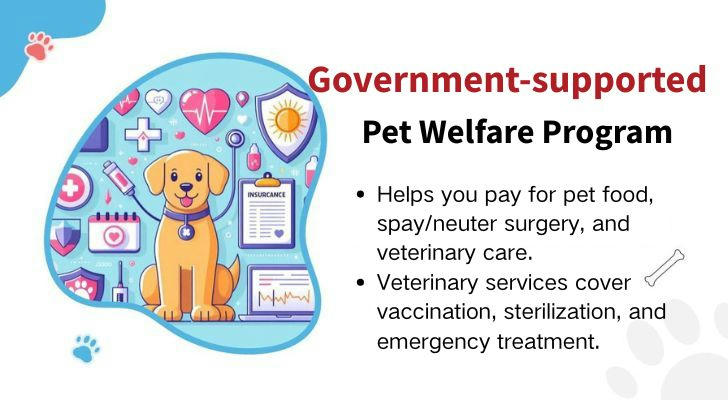
A well-structured Pet welfare program acts as a secondary layer of protection. These programs do more than reduce costs; in some cases, they eliminate them for specific services.
Preventive Support
Many programs help pay for pet food, spay or neuter procedures, and routine vaccinations.
Emergency Assistance
During urgent situations, a local Pet welfare program may provide direct grants for veterinary services, including sterilization and life-saving treatments.
This layered approach explains why more households are actively searching for Pet Insurance for Senior Citizens—to identify where insurance coverage and public assistance overlap most effectively.
Best Budget-Friendly Insurance Options (2026 Overview)
| Provider | Target Group | Monthly Range | Key Advantage |
|---|---|---|---|
| Lemonade | Budget-focused users | $18–$32 | Fast AI claims, simple digital process |
| ASPCA | Very senior pets | $31–$45 | No upper age limit for enrollment |
| Pets Best | Chronic care needs | $25–$42 | Strong wellness add-ons |
| Spot | Flexible households | $26–$38 | High customization for multi-pet families |
The most effective Pet Insurance for Senior Citizens balances affordable monthly premiums with easy claim handling—especially when combined with Pet welfare program assistance.
How to Apply for Subsidized Pet Care in 2026
The application process for Pet Insurance for Senior Citizens has become more streamlined, but timing remains critical.
General Steps to Follow:
- Compare insurance plans that offer senior or multi-pet discounts.
- Verify whether your local Pet welfare program currently provides funding for pet food, vaccinations, or spay and neuter services.
- Choose a deductible that lowers monthly premiums while remaining manageable in emergencies.
- Prepare your pet’s medical history in advance to secure 2026 coverage rates.
This article describes a general procedure; the specific procedure may vary depending on the actual situation.
Final Thoughts: Don’t Wait for an Emergency
For those researching Pet Insurance for Senior Citizens, the greatest advantage comes from acting before a health crisis occurs. Combining an affordable insurance policy with a Pet welfare program creates a predictable monthly budget that safeguards both your pet and your savings.
Many seniors only discover the most valuable grants after comparing active 2026 plans side by side—making early research a critical step.
FAQ: Common Questions About Senior Pet Support
Q1: Advantages of government-aided and affordable pet insurance for seniors in 2026?
A: These options reduce financial uncertainty and stabilize monthly expenses. When paired with a Pet welfare program, they can help cover essentials such as pet food, vaccinations, and emergency treatment.
Q2: Does Pet Insurance for Senior Citizens cover pre-existing conditions?
A: Most plans do not, but some 2026 providers now include “curable condition” clauses. Searching specifically for Pet Insurance for Senior Citizens helps identify these limited exceptions.
Q3: Can a Pet welfare program replace insurance entirely?
A: No. While a Pet welfare program is helpful for routine care like sterilization, it rarely covers major surgeries. Many experienced pet owners use both to achieve more complete protection.